Welcome to Atlantic Veterinary Hospital
We are a family-owned, full-service pet hospital designed to provide your pets with the best quality veterinary care. We are committed to your pet’s health and look forward to meeting you.
About Atlantic Veterinary Hospital
Welcome to Atlantic Veterinary Hospital, where our commitment to your pet’s well-being has stood the test of time. Over the years, we have embraced innovation and advancement, staying at the forefront of veterinary care. Despite our evolution, our core mission remains steadfast: we are a family-owned veterinary hospital dedicated to providing you and your pets with a compassionate and caring veterinary experience delivered by people you trust.

Complete Veterinary Service in Seattle, WA
We provide a range of veterinary services to meet the varying needs of your beloved pets throughout their lifetime. Our Wellness Care program is customized to the unique requirements of puppies, kittens, adults, and senior pets, ensuring they receive the right care and preventive measures to maintain a healthy and joyful life.





We’d Like to Be Your
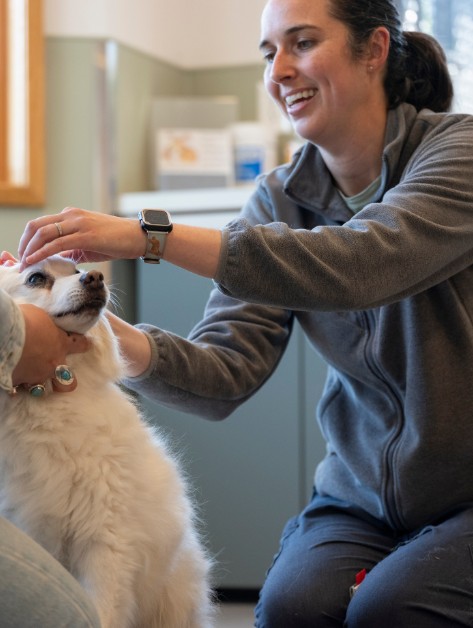
Pet’s Family Veterinarian
Dr. Tricia Munroe, Dr. Laura Monahan and Dr. Kayla Cline, seasoned veterinarians, contribute their unique talents and diverse professional interests to our team, enabling us to provide a comprehensive array of services and a wealth of medical expertise. Working alongside our veterinarians are our committed and licensed veterinary nursing professionals and compassionate receptionist staff.

Kind Words From Our Clients

Linda S.
A very caring team of professionals, from first hellos from the front desk to the techs and aides and Dr. Cline. Had to find a new vet after Dr. Young retired from practice. So glad to find this wonderful group! Sad that no one has the sliding payment scale that Dr. Young had, but I am in a better position to afford my pet care than before.
Chelsea H.
The first clinic our fur baby has been excited to enter — not only is she not nervous/trembling, but she gets an excited wiggle when we get to Atlantic Veterinary Hospital! The team is wonderful and has been outstanding not only just for our regular visits but during our sick visits as well. They even once gave our girl a cheese board that she devoured after being really sick. They are the best!